

How to Set Up Your First Pedestal Camera Shot in a News Studio
A step-by-step guide to framing, balancing and moving a studio pedestal camera, so a new operator can hold a steady, consistent news shot from the first rehearsal.
breaknixup supports crews who make television news and live shows. We plan and install studio equipment, coach camera operators, design lighting, look after microphones and mixing, and build the rundowns and communication plans that keep a live programme calm. Each area can be booked alone or combined.
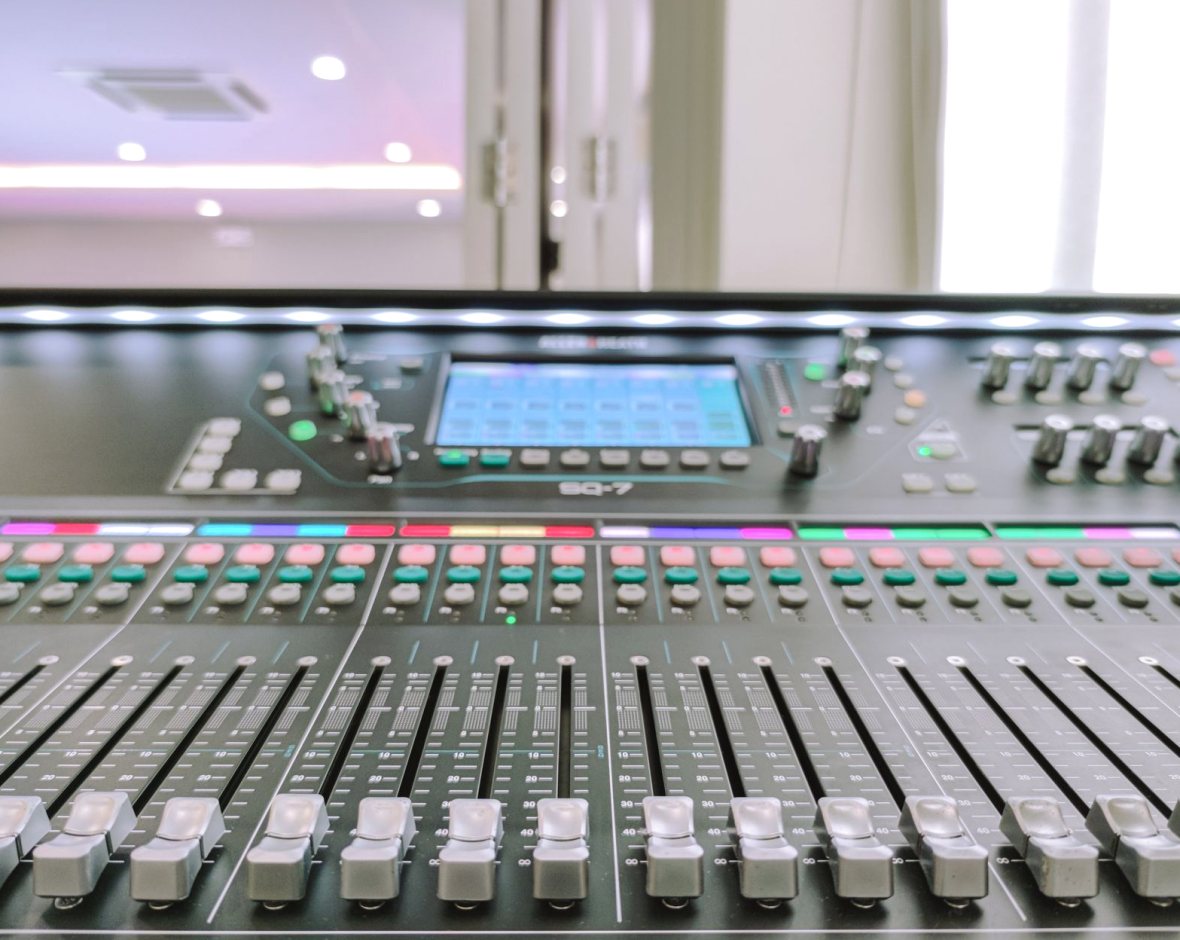
Planning and installing cameras, control desks and cabling so a news or live studio runs reliably from day one.
Hands-on coaching in framing, smooth moves and shot discipline for studio pedestal and robotic cameras.
Three-point and set lighting plans that flatter presenters and keep news sets consistent shot to shot.
Microphone placement, mixing and monitoring for clean dialogue and balanced live audio.
Rundowns, cue sheets and crew communication plans that keep live shows on time and calm.
Tell us about your studio, your crew and the format you produce, and we will suggest which areas matter most before anything is agreed.
ServicesHow we work
Every project follows the same simple path, whether it is a new news set or a tune-up of an existing gallery. We look before we recommend, we agree the plan with the people who will use it, and we stay for the first runs so that the workflow holds up on air.
We talk through your format, space, crew size and current pain points. Where possible we visit the studio, watch a run-through and note what slows the team down or causes problems on air.
What you leave with
A short written summary of what we found and what you want to change.
We set out the work in plain terms: which equipment, lighting or audio changes are needed, who on your crew is involved, and the order in which things happen so that transmission schedules are protected.
What you leave with
An agreed scope covering the areas of work and the people involved.
Cameras, control desks, cabling, lighting and microphones are installed and tested together, not one by one. We label what we fit and check signal paths so faults are easy to trace later.
What you leave with
A tested studio with labelled cabling and a record of the setup.
Camera operators, audio staff and the gallery team practise on your own kit with realistic show material. We coach framing, movement, mixing and cues until the routine feels natural to everyone.
What you leave with
A crew that has rehearsed the real show on the real equipment.
We stay close for the first live or recorded programmes, watching for small issues and adjusting cue sheets, levels or lighting as the team settles into the new way of working.
What you leave with
Adjusted rundowns, cue sheets and notes for the crew to keep using.
This service suits news and live studios that are being built, moved or reworked and need cameras, control desks and cabling to run reliably from the first day. We plan the layout with your team and install it so it can be operated by a normal crew.
Contact
It helps to bring a floor plan, a list of existing equipment and the usual show format. Rough sketches are fine; we will refine them together.
We work with studio crews, producers and presenters involved in television news and live shows. Some teams are building a studio from scratch, others have a working gallery and want better routines, steadier camera work, cleaner sound or a calmer live workflow. We are happy to start small.
Yes. Studio equipment setup, camera operation training, lighting design, sound and audio mixing and live show workflow planning can each be booked separately. Many clients combine two or three, because the areas affect one another, but there is no requirement to take everything at once.
Most of our work happens in your studio, because that is where the kit, the space and the crew are. We are based in Salisbury, and we can talk through travel and practical arrangements when you tell us where your studio is.
Our camera training covers studio pedestal cameras and robotic cameras. The coaching is hands-on and focuses on framing, smooth moves and shot discipline, so operators can hold a clean, consistent picture through a whole news bulletin or live programme.
Our lighting plans use a three-point approach and set lighting designed around your desk, background and camera positions. The aim is a flattering, consistent look from shot to shot, while keeping rigging safe and quick enough for your schedule.
Good planning reduces surprises, but live television always carries risk. We build rundowns, cue sheets and communication plans so that everyone knows who speaks, who decides and what the fallback is. Rehearsing those moments with your crew makes problems much calmer to handle.
Use the contact form or call 01722 410286. Tell us about your studio, your show format and what you want to improve. We will reply to arrange a conversation and, where useful, a visit to see how your studio currently works.
Yes. Depending on the work, you may receive setup records, labelled signal paths, lighting plans, cue sheets or rundown templates. They are written in plain language so your crew can keep using them after we have finished.
A step-by-step guide to framing, balancing and moving a studio pedestal camera, so a new operator can hold a steady, consistent news shot from the first rehearsal.
A practical list of questions to work through before choosing microphones, a mixing approach and monitoring for a news or live studio, so the decision rests on your room and your crew.
Most lighting problems on a news set come from a handful of habits that are easy to fix once you can spot them. Here are the ones we meet most often and how to correct them.
Studio production support from Salisbury: equipment setup, camera training, lighting, sound and live show workflow planning for television news and live shows.
14 Fisherton Mill Lane, Salisbury SP2 7SU01722 410286hello@breaknixup.org